Watch this Weeks Episode Saturday at 9am CT
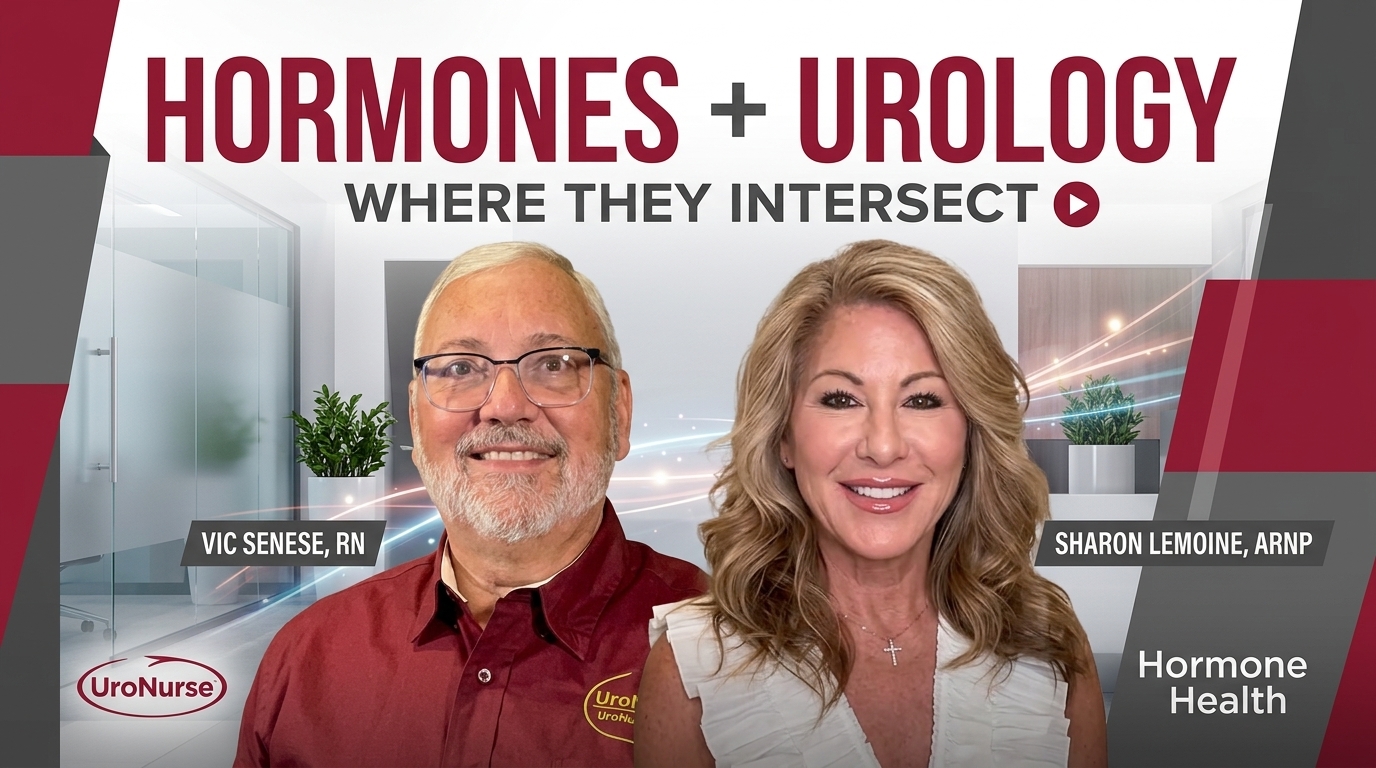
What is the connection between hormone health, menopause, sexual health, urinary health, and urologic health? In this episode of UroNurse, host Vic Senese, RN, BSN, FAUNA, welcomes Sharon Lemoine, ARNP, FNP-C, to explore the important intersection between hormone health and urologic health. Hormonal changes can affect much more than hot flashes or menstrual cycles. Changes in estrogen, testosterone, and other hormones may influence the urinary tract, bladder function, vaginal and genital health, sexual function, libido, pelvic health, sleep, energy, and overall quality of life.
Sharon Lemoine brings her experience as an advanced practice provider to a conversation designed to help healthcare professionals and patients better understand how hormonal health can intersect with urologic and sexual health.
In this episode, we discuss:
• The relationship between hormones and urologic health
• How menopause and hormonal changes can affect the urinary and genital systems
• Genitourinary symptoms of menopause (GSM)
• Vaginal and urinary symptoms associated with declining estrogen
• Hormones and sexual health and intimacy
• Changes in libido and sexual function
• The relationship between menopause, bladder symptoms, and urinary health
• Why hormone health should be considered when evaluating certain urologic symptoms
• The importance of individualized patient assessment and treatment
• How healthcare professionals can improve conversations about menopause, hormones, urinary symptoms, and sexual health
• Why patients should feel comfortable discussing intimate symptoms with their healthcare providers
This conversation is especially relevant for urology nurses, nurse practitioners, physicians, primary care providers, women's health professionals, pelvic health professionals, and patients looking for understandable information about the connection between hormones and urologic health. About Sharon Lemoine, ARNP, FNP-C Sharon Lemoine is an advanced practice provider with a focus on health and wellness. Her perspective adds an important dimension to the conversation about hormone health, menopause, sexual health, and patient-centered care.
About UroNurse
UroNurse is hosted and presented by Vic Senese, RN, BSN, FAUNA, bringing healthcare professionals and patients together through conversations about urology, men's and women's health, sexual health, technology, treatments, and the evolving world of healthcare.
*The expert's opinions in this communication are personal and not representative of any organization. They are for informational purposes only, not official guidance. Viewers are advised to use their judgment, seek additional advice, and take responsibility for any actions based on these opinions.






Click on image to visit our sponsor's website.
Click below for sponsorship info.



Episode 221:Live from Las Vegas! SUNA Meeting: What Happens in Vegas…
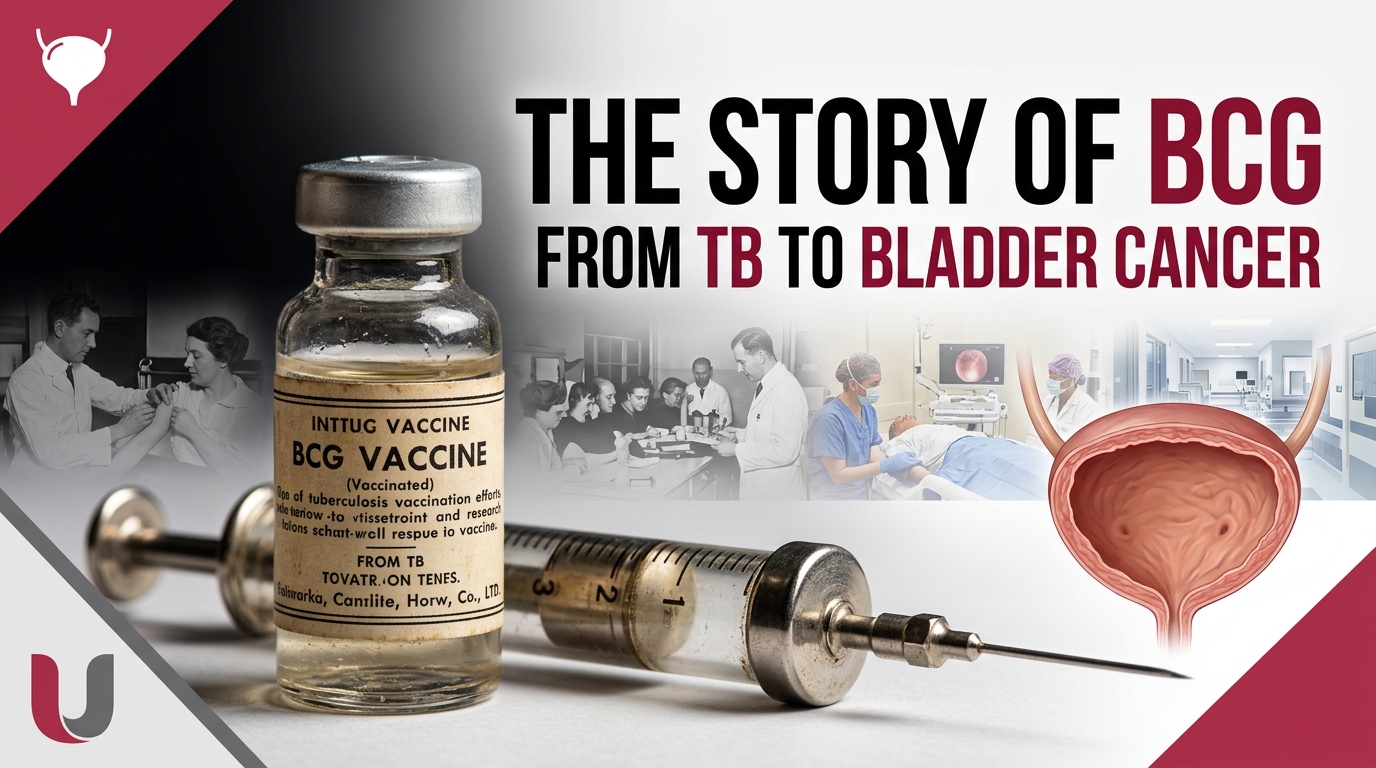
UroNurse Episode 220: How BCG Became a Bladder Cancer Treatment

Episode 219: Simple Prostatectomy Explained: Robotic vs Open Surgery

Episode 218:BPH Treatment Options in 2026: Is Optilume a Game Changer?

Episode 217: Tadalafil: What Does It Treat Besides Erectile Dysfunction?
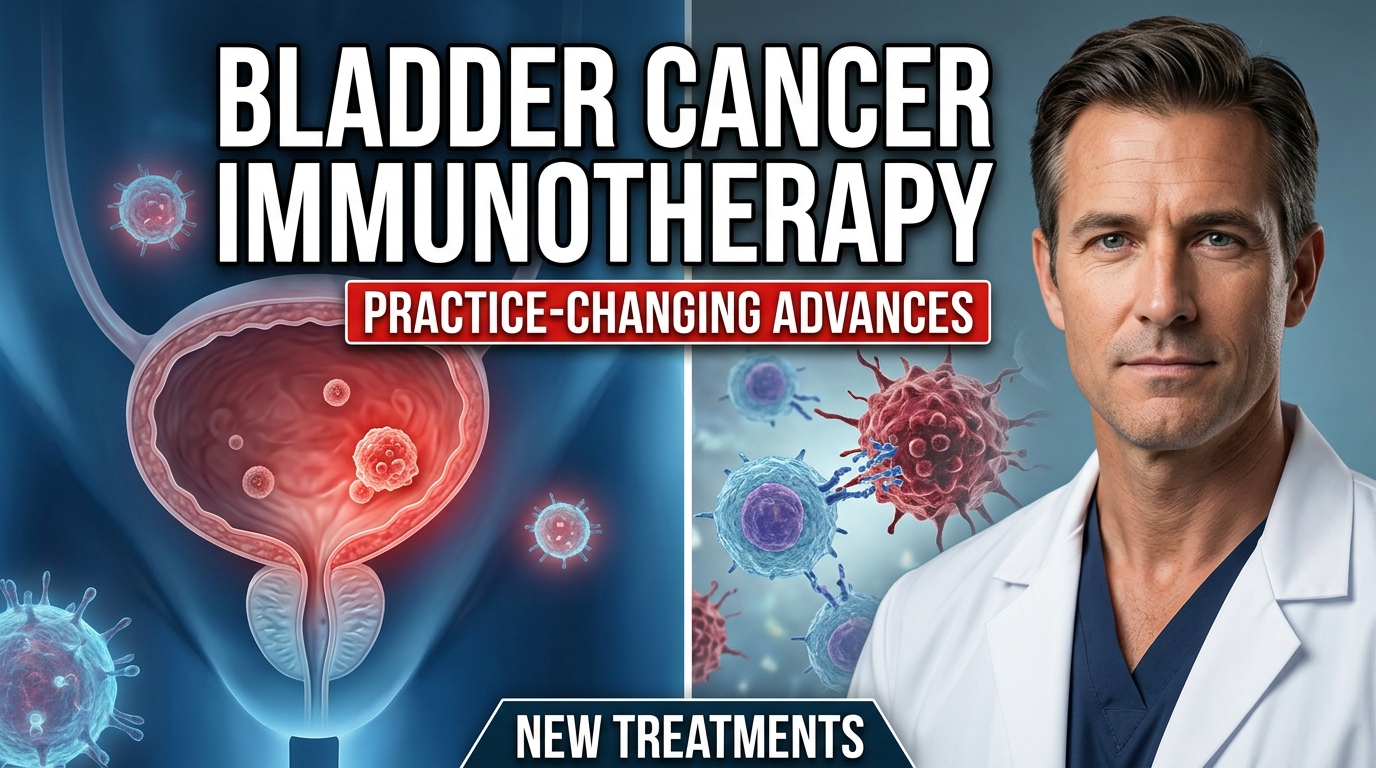
Episode 216: Immunotherapy in Bladder Cancer: Practice-Changing Advances Every Urology Professional Should Know
CME | CNE |1.00 Credit
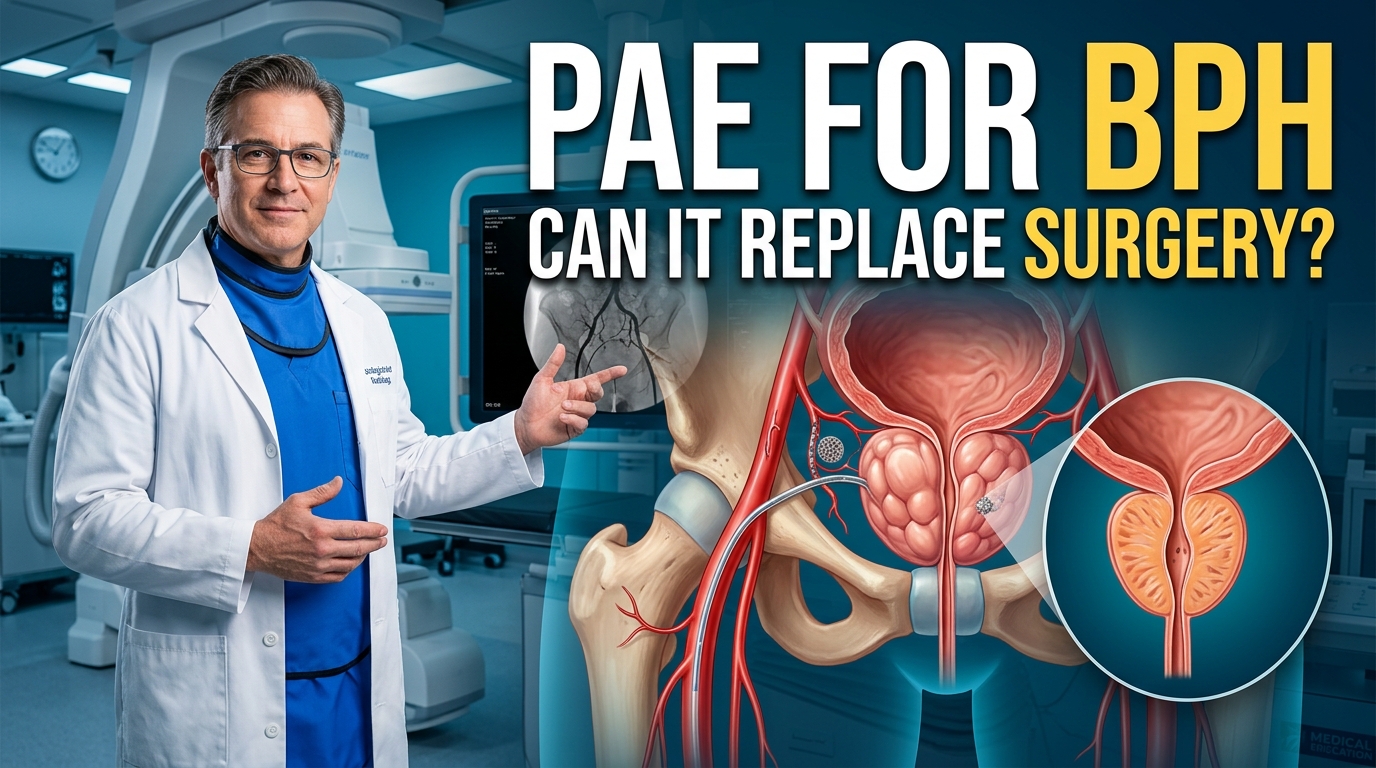
Episode 215:Can Prostate Artery Embolization Replace Surgery for BPH? | PAE Explained
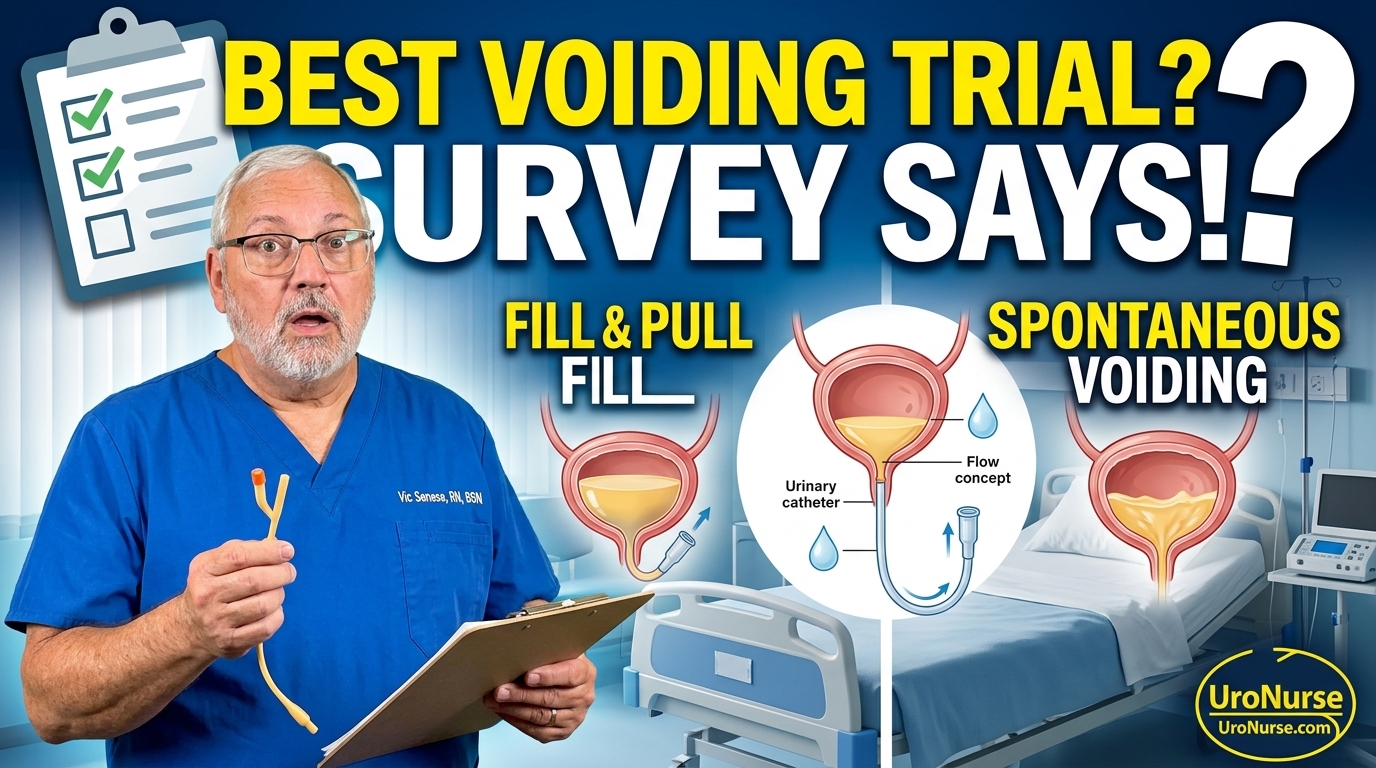
UroNurse Episode 214: How Should You Perform a Voiding Trial? Urology Survey Results May Surprise You!

Episode 213: Elevated PSA? Essential Steps Before Ordering a Prostate Biopsy
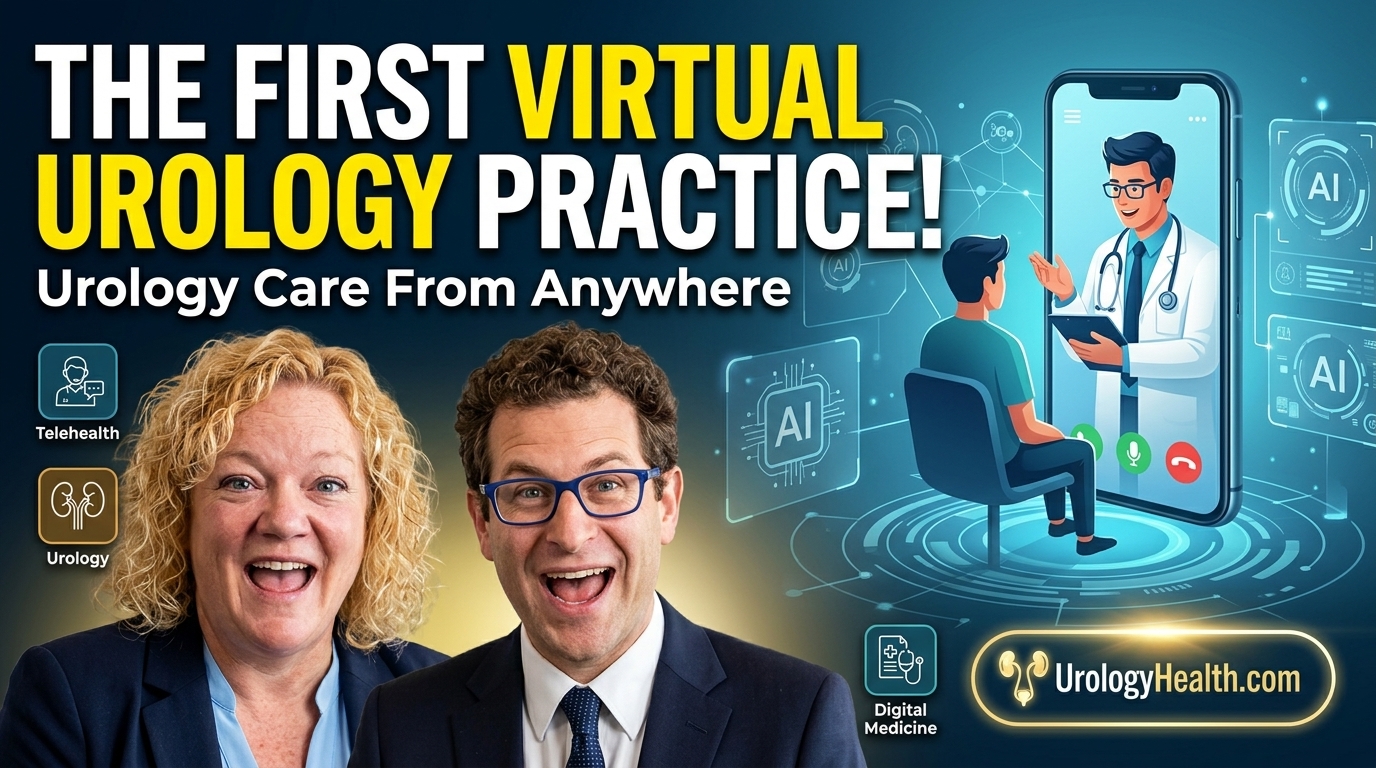
Episode 212:Inside UrologyHealth.com: The First Virtual Urology Practice

Episode 210: The Future of Preventive Medicine: Biological Age, AI & Cancer Risk
Episode 209:Rapid Molecular Testing Revolutionizing Urology Diagnostics
Episode 208: Prostate Biopsy & Screening in Europe: EAU Guidelines vs. US Standards

Episode 207: Artificial Intelligence for Urology Nurses: Using NotebookLM to Educate Patients
Episode 206: Post-Prostate Incontinence Breakthrough: Elitone for Men Explained
Episode 204: Urodynamics Made Easy: Setup & Step-by-Step Guide
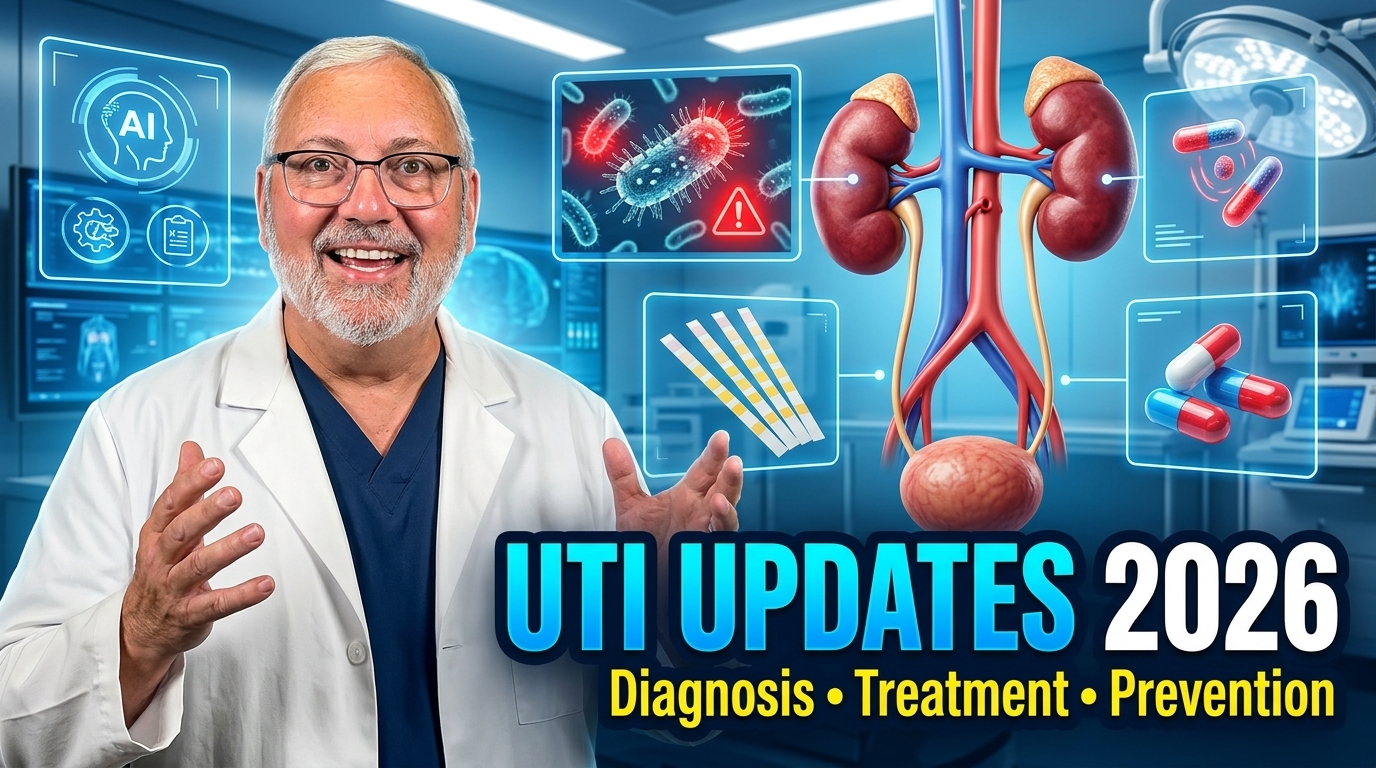
Episode 203: UTI Updates 2026: Diagnosis, Treatment & Prevention Explained

Episode 201: Unraveling the Complexities of cUTI Care: Modernizing cUTI Care with the 2025 IDSA and EAU Updates
CME | CNE | CPE | 1.00 Credit
Episode 200:Celebrating 200 Episodes of UroNurse
Episode 199:AUA Vasectomy Guidelines Update: What Nurses Must Know
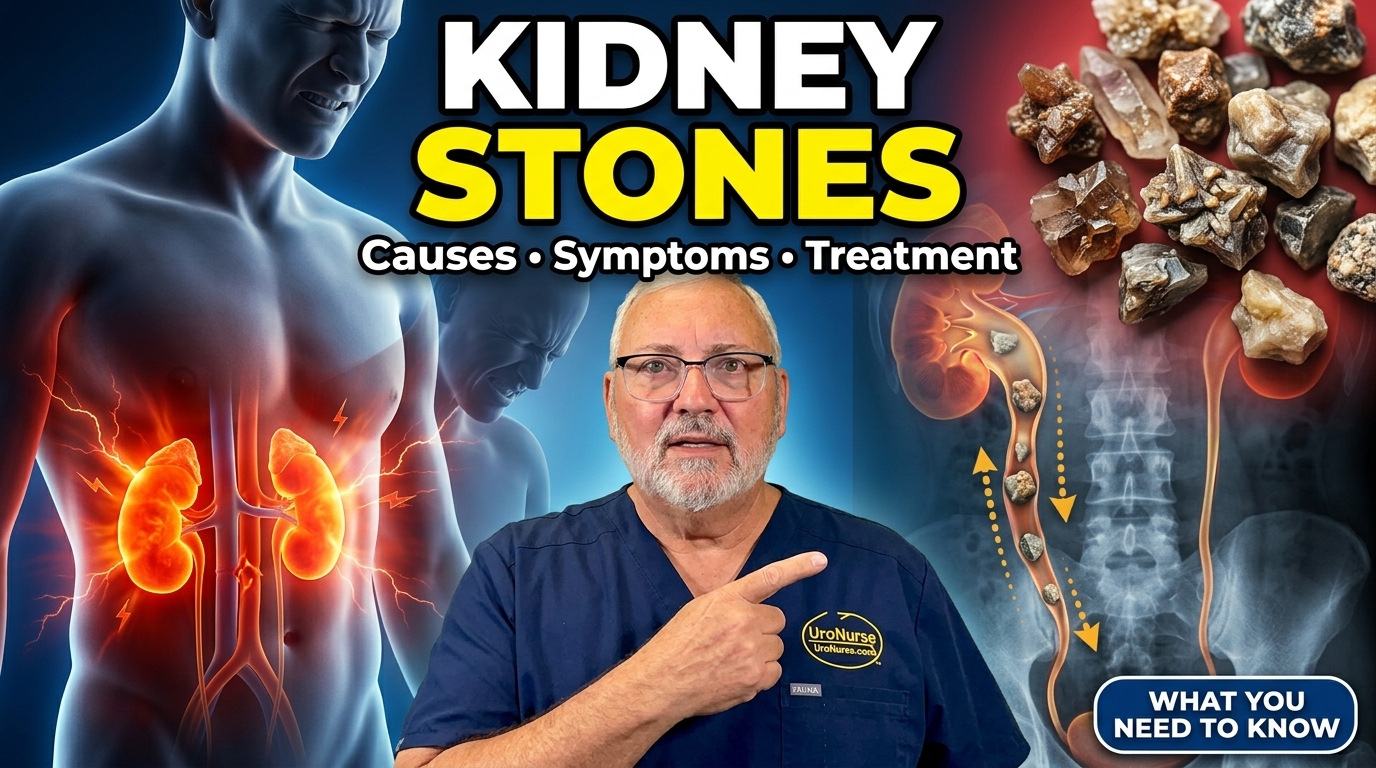
Episode 198:Kidney Stones Explained: Causes, Symptoms & Treatment Options

Episode 197:Paraphimosis Explained: Emergency You Can’t Ignore
Episode 196: Opportunistic Pathogens in Healthcare: Hidden Threats Every Nurse Must Know
Click for Contact Hours
Episode 195: Medtronic Altaviva™ Explained: Breakthrough for Urge Incontinence

Episode 194:Male Enhancement Procedures Explained: Red Flags, Pain Risks & Safety Guide
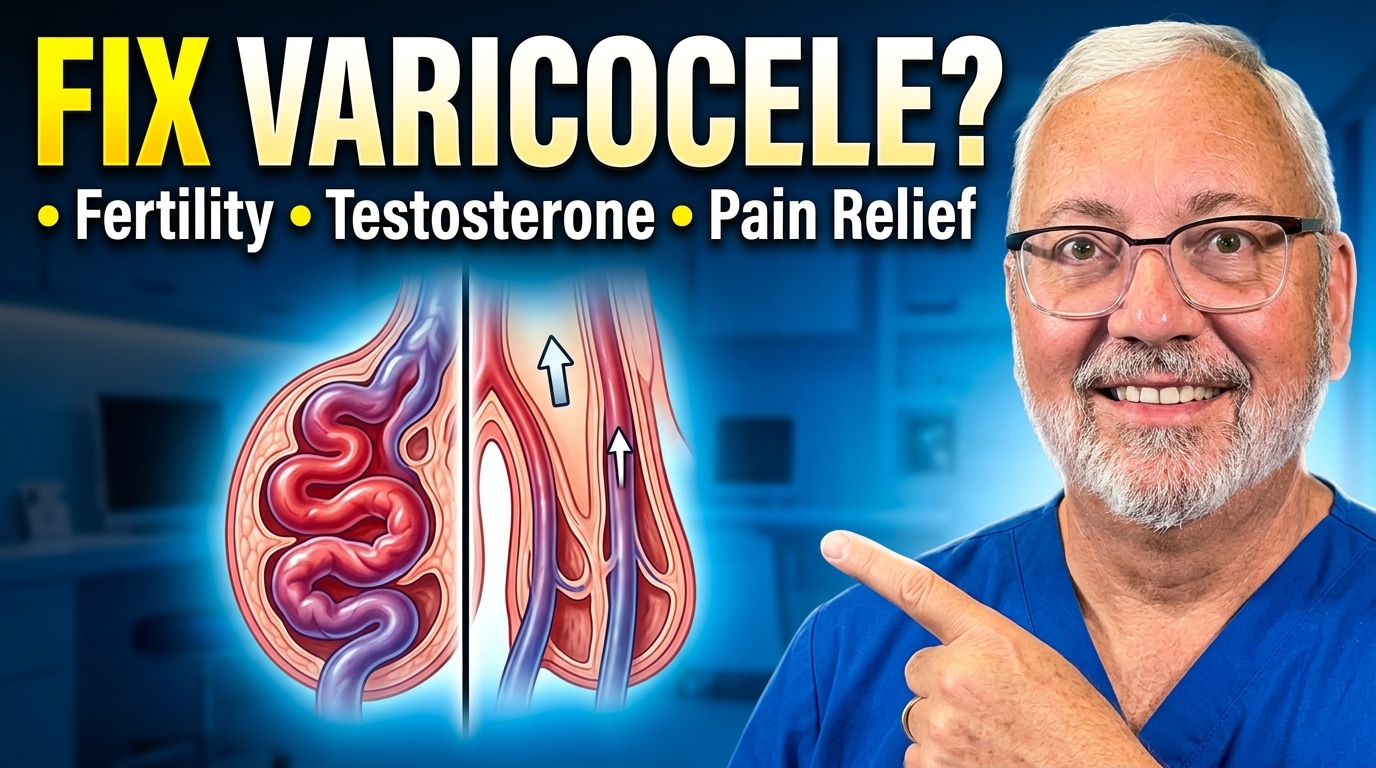
Episode 193: Varicocele Treatment Guide: Improve Fertility, Testosterone & Pain Relief

Episode 192:Advanced Practice Nursing Explained: Education, Scope of Practice & Privileges | Expert APRN Panel

Episode 191:Can Acupuncture Actually Help with Sexual Pain or Pelvic Dysfunction?

Episode 190: Long-Term Pain After Vasectomy: What You Need to Know

Episode 189:Live from the Chicago Metro SUNA Spring Conference
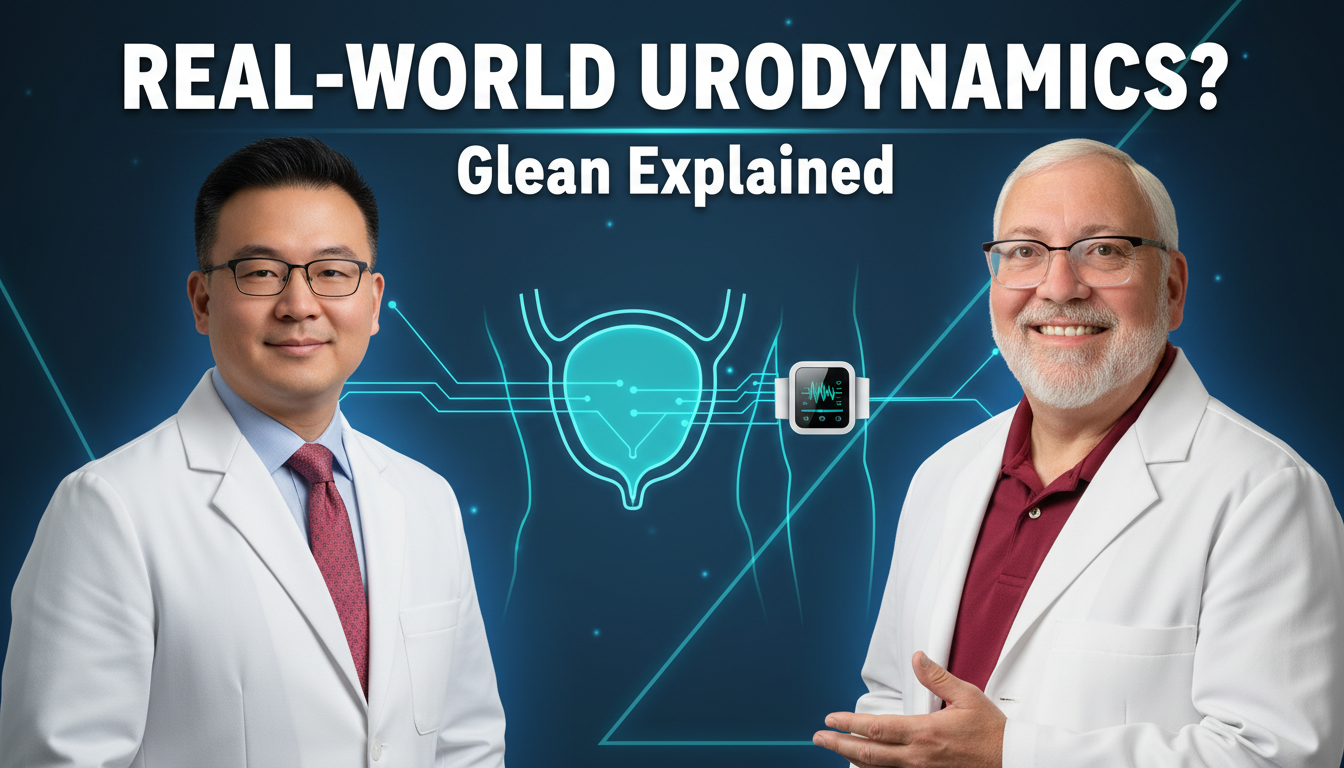
Episode 188:Glean Ambulatory Urodynamics Explained
Real-World Bladder Testing with Jason Kim, MD

Episode 187: How to Use the Latest AI Tools to Boost Productivity and Creativity
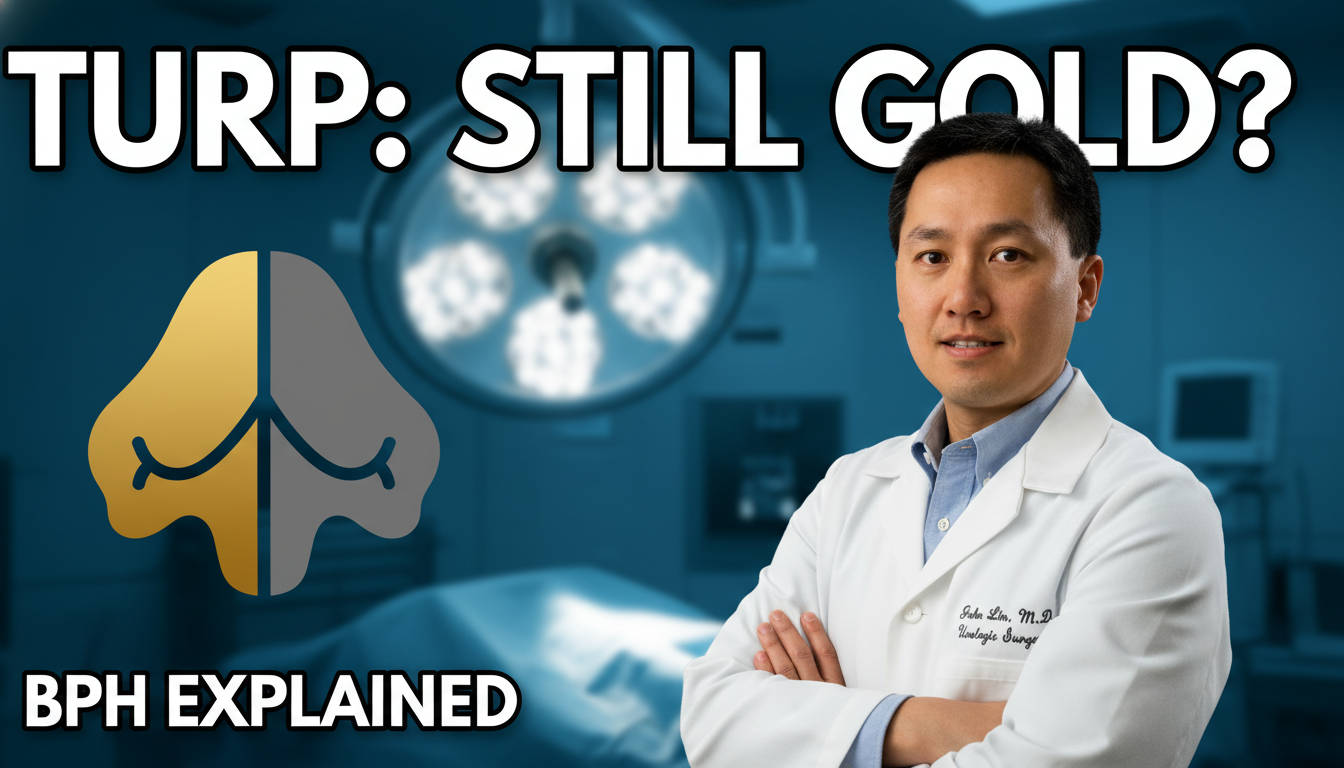
Episode 186: Is TURP Still the Gold Standard for BPH?
John Lin, MD Explains
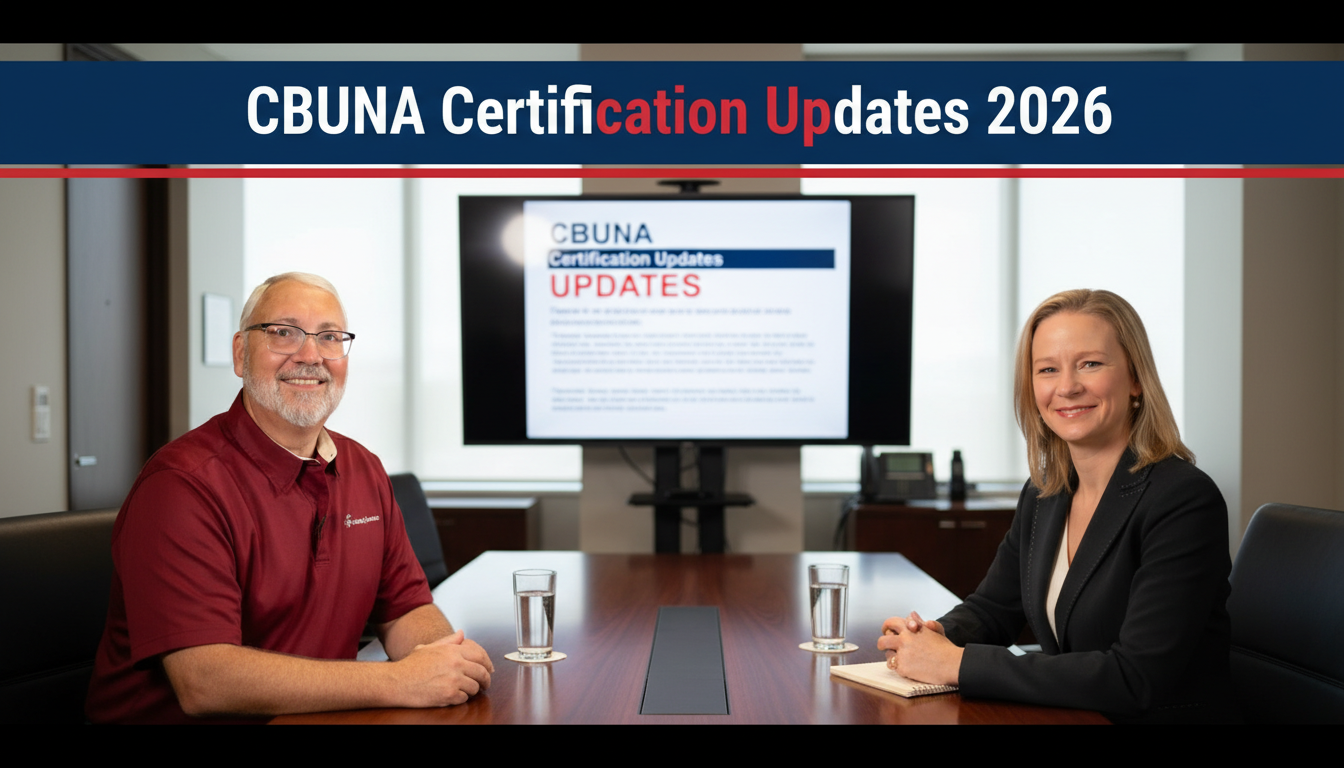
Episode 185:CBUNA Certification Updates 2026
What Urology Nurses Need to Know
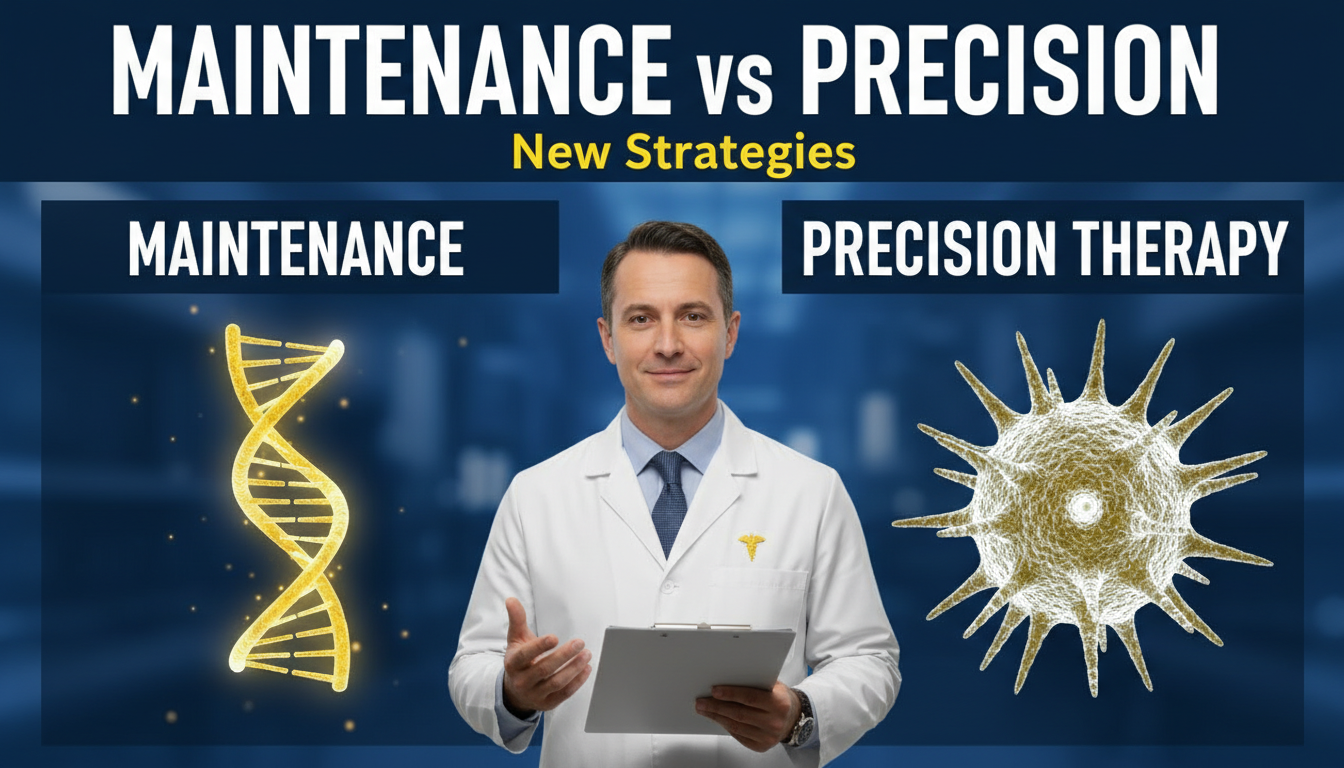
Episode 184: Optimizing Urothelial Carcinoma Therapy: From Maintenance to Precision Strategies
1.00 / CME Contact Hour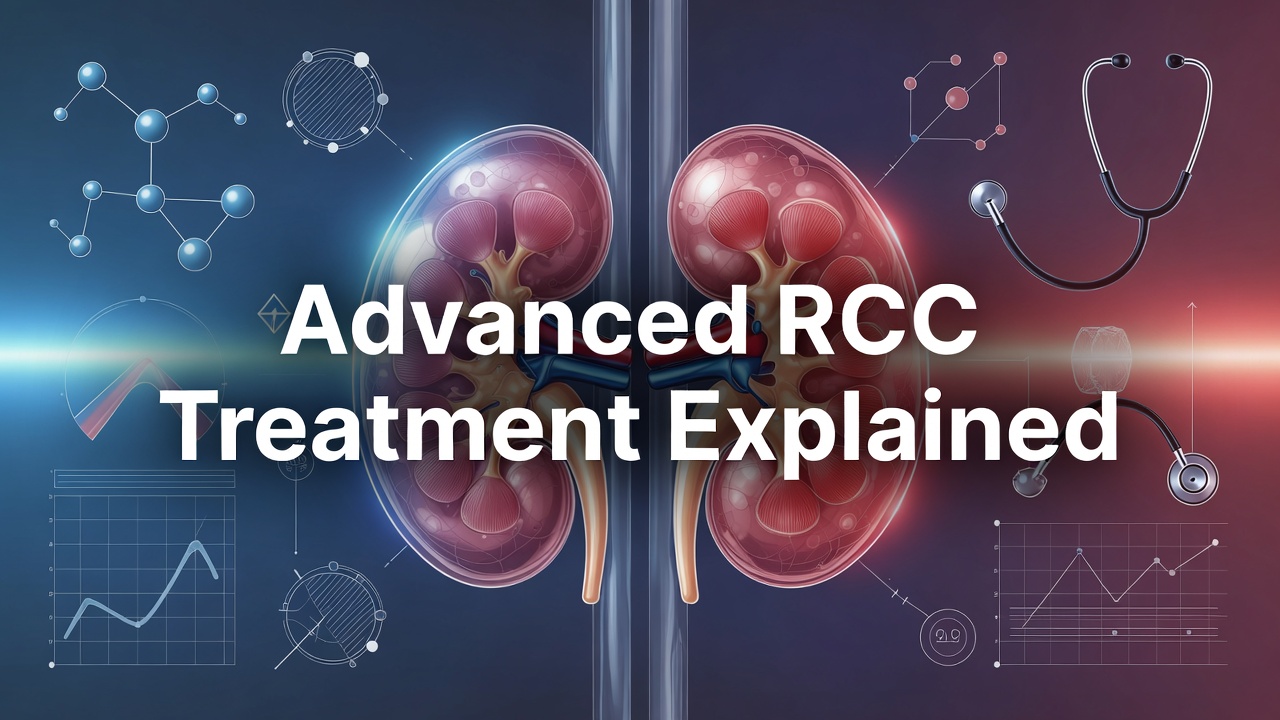
183: Optimizing Care in Advanced Renal Cell Carcinoma: Immunotherapy & Targeted Agents Explained
1.00 / ANCC Contact Hour
182: How NanoKnife Differs from Thermal Ablation Techniques

181: Nurse Practitioners Driving Healthcare Independence

180: Looking Back at 2025: UroNurse Highlights and Future Insights
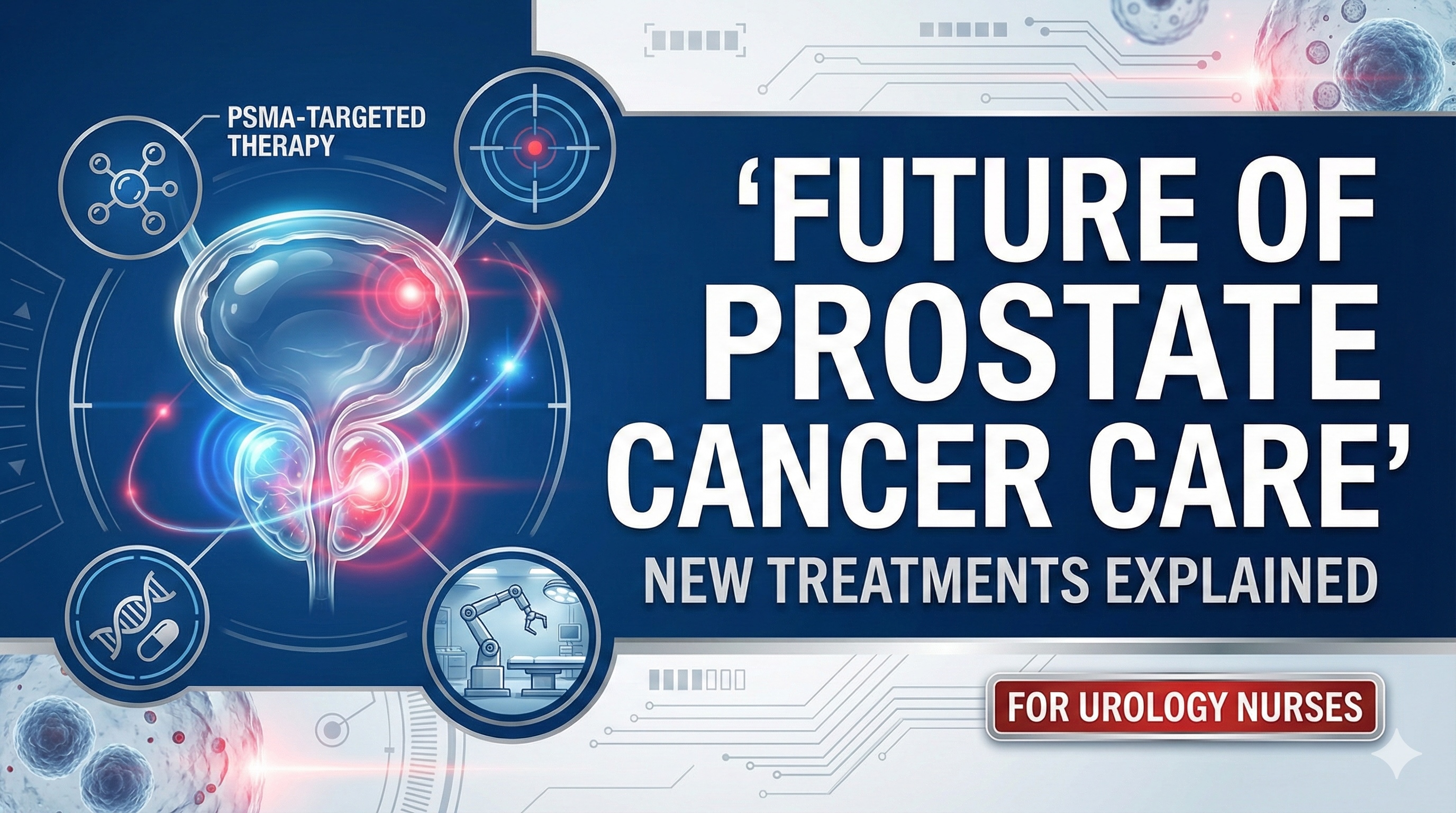
179: The Future of Prostate Cancer Care: New Treatments Explained for Urology Nurses
1.00 / ANCC Contact Hour



The information provided on the site is for educational purposes only, and does not substitute for professional medical advice.
Consult a medical professional or healthcare provider if you are seeking medical advice, diagnoses, or treatment.